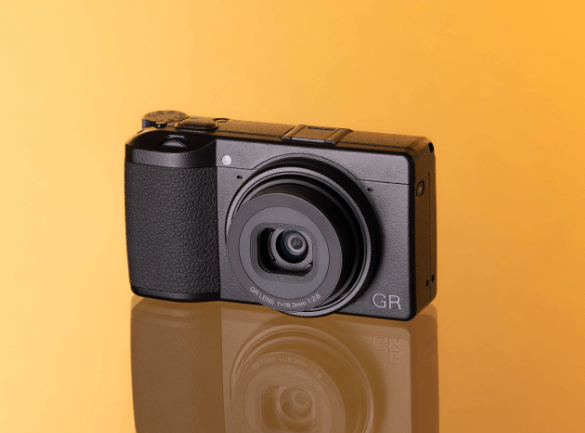
Compact cameras have come a long way, offering exceptional quality in a portable form that’s perfect for photography on the go. While smartphones can capture decent images, a compact camera can provide superior image quality, advanced features, and the joy of a true photography experience. Choosing the right compact camera depends on your photography needs, budget, and skill level. From travel-friendly models to those with near-DSLR quality, here’s a guide to help you compare popular compact cameras and choose the one that best fits your needs.
1. Types of Compact Cameras
Compact cameras are available in various types, each suited to different photography styles and levels of expertise:
- Point-and-Shoot Cameras: These cameras are straightforward to use, designed for automatic settings, and are typically budget-friendly. They’re great for casual photographers and beginners who want good quality without complex controls.
- Advanced Compact Cameras: These models offer more manual controls, better sensors, and higher quality lenses. Advanced compact cameras are ideal for intermediate photographers who want to improve their skills.
- Superzoom Cameras: Known for their long zoom ranges, superzoom cameras are great for sports and wildlife photography, capturing subjects from a distance.
- Premium Compact Cameras: These cameras offer nearly professional-level quality, often with large sensors and excellent low-light performance. They’re suitable for experienced photographers looking for a compact alternative to DSLR or mirrorless cameras.
2. Key Features to Consider
When comparing compact cameras, it’s essential to look at specific features that can impact your photography experience. Here are some features to keep in mind:
- Sensor Size: The sensor size determines the quality of the image. Larger sensors, such as 1-inch or APS-C sensors, produce better image quality, especially in low light.
- Lens Quality and Zoom Range: A good lens is essential for sharpness and clarity. Compact cameras vary in their zoom range; some offer 24-70mm, which is versatile for everyday photography, while others feature long-range zooms up to 600mm or more.
- Manual Controls: If you enjoy adjusting exposure, ISO, and aperture, look for cameras with full manual controls. These allow you to explore creative effects and adapt to various lighting conditions.
- Video Capabilities: Many compact cameras now offer 4K video recording, which is ideal for vloggers or anyone interested in high-quality video capture.
- Portability: The primary appeal of compact cameras is portability. Look for lightweight, pocketable designs if you plan to carry the camera everywhere.
3. Popular Compact Cameras for Different Needs
Here’s a closer look at some of the top compact cameras currently on the market, each excelling in specific areas to meet different photography needs.
1. Sony RX100 VII – Best for All-Around Performance
The Sony RX100 VII is renowned for its versatile performance and high-quality images, making it ideal for both beginners and advanced users. With a 1-inch sensor, 24-200mm zoom, and 4K video capabilities, it’s an excellent choice for those seeking a powerful, pocket-friendly camera.
- Best For: Travel, vlogging, and everyday photography
- Key Features: 20.1 MP 1-inch sensor, 24-200mm zoom lens, 4K video, real-time eye AF
- Pros: Excellent image quality, fast autofocus, versatile zoom range
- Cons: Higher price, limited battery life
The RX100 VII is ideal for capturing a variety of scenes, from portraits to landscapes, and offers professional-level features in a compact body.
2. Canon PowerShot G7 X Mark III – Ideal for Vlogging
The Canon PowerShot G7 X Mark III is a popular choice for vloggers due to its compact design, flip-up touchscreen, and excellent 4K video capabilities. Its 1-inch sensor captures vibrant images, and the camera’s built-in stabilization makes it easier to shoot steady videos.
- Best For: Vlogging, casual photography
- Key Features: 20.1 MP 1-inch sensor, 24-100mm zoom lens, 4K video, flip-up touchscreen
- Pros: Great for video, user-friendly interface, compact size
- Cons: Limited zoom range, no viewfinder
With the ability to livestream directly to YouTube, the G7 X Mark III is ideal for content creators looking for a compact, easy-to-use camera with solid video performance.
3. Fujifilm X100V – Perfect for Street Photography
The Fujifilm X100V is a premium compact camera with a retro design and excellent image quality. It features a large APS-C sensor, a fixed 23mm f/2 lens, and the popular Fujifilm color science, making it a favorite among street photographers and those who appreciate a classic aesthetic.
- Best For: Street photography, travel, portrait photography
- Key Features: 26.1 MP APS-C sensor, 23mm fixed lens, 4K video, hybrid viewfinder
- Pros: Superb image quality, stylish design, high-quality fixed lens
- Cons: Limited to a single focal length, expensive
The X100V’s fixed focal length encourages creativity, while its high-quality lens and sensor ensure outstanding image quality, particularly for street and portrait photography.
4. Panasonic Lumix LX100 II – Best for Versatility
The Panasonic Lumix LX100 II is a versatile compact camera equipped with a Micro Four Thirds sensor and a Leica-branded 24-75mm f/1.7-2.8 lens. It offers impressive low-light performance and manual controls, making it ideal for a variety of shooting scenarios.
- Best For: Low-light photography, travel, portraiture
- Key Features: 17 MP Micro Four Thirds sensor, 24-75mm lens, 4K video, manual controls
- Pros: Excellent low-light performance, compact design, fast lens
- Cons: Limited zoom range, fixed screen
The LX100 II’s larger sensor and fast lens make it a great choice for photographers who want flexibility in their compact camera without sacrificing image quality.
5. Nikon COOLPIX P1000 – Best for Superzoom
The Nikon COOLPIX P1000 is known for its staggering 125x optical zoom, making it the go-to camera for wildlife and sports photographers who need to capture distant subjects. It may be bulkier than other compacts, but it offers unrivaled reach for outdoor photography.
- Best For: Wildlife, sports, and moon photography
- Key Features: 16 MP 1/2.3-inch sensor, 24-3000mm zoom, 4K video
- Pros: Unmatched zoom range, built-in stabilization, 4K video
- Cons: Bulky design, small sensor, slower lens at long zooms
With a 3000mm maximum zoom, the P1000 is perfect for those who need an extreme telephoto range in a single, versatile camera.
4. Pros and Cons of Using Compact Cameras
Pros:
- Portability: Compact cameras are lightweight and easy to carry, making them perfect for travel and everyday use.
- Ease of Use: Many models offer automatic settings, making them user-friendly for beginners.
- Image Quality: Advanced compact cameras can produce excellent image quality, rivaling entry-level DSLRs and mirrorless cameras.
Cons:
- Limited Flexibility: Compact cameras often have fixed lenses or limited zoom, which can restrict your range compared to interchangeable-lens systems.
- Smaller Sensors: While many compacts have high-quality sensors, they generally don’t match the size and performance of full-frame or high-end APS-C cameras.
- Battery Life: Compact cameras tend to have shorter battery life due to their small size.
5. Making the Right Choice Based on Your Needs
When choosing a compact camera, consider how you plan to use it most frequently. Here’s a quick guide to help you decide based on popular needs:
- For Everyday and Travel Photography: Look for versatile models like the Sony RX100 VII or Canon PowerShot G7 X Mark III, which offer good zoom ranges, portability, and solid video capabilities.
- For Portrait and Street Photography: A camera like the Fujifilm X100V with a large sensor and a fixed lens delivers excellent quality and is ideal for candid, creative shots.
- For Wildlife and Sports Photography: Consider a superzoom model like the Nikon COOLPIX P1000, which offers extreme reach and allows you to capture distant subjects.
- For Low-Light or Night Photography: Cameras with larger sensors and fast lenses, like the Panasonic Lumix LX100 II, provide better low-light performance, making them suitable for night or indoor photography.
6. Tips for Getting Professional Results with Your Compact Camera
No matter which compact camera you choose, these tips can help you achieve professional-quality results:
- Master Lighting: Always consider your light source. Natural lighting during golden hour (early morning or late afternoon) enhances the depth and color of photos.
- Use Tripods for Stability: A mini tripod can be helpful for low-light settings, where camera shake can impact image quality.
- Practice Manual Settings: Learning to control exposure, ISO, and shutter speed manually can elevate your photos and give you greater creative freedom.
- Post-Processing: Editing your images using software like Adobe Lightroom or Snapseed can enhance colors, adjust exposure, and bring out details.
Conclusion
Choosing the right compact camera depends on understanding your needs and matching them with a camera that offers the right features, portability, and quality. Whether you’re capturing memories while traveling, documenting everyday life, or exploring new creative perspectives, there’s a compact camera suited to your goals. By comparing features, types, and models, you can find a compact camera that delivers professional results in a compact, convenient package.